Introduction
Wound treatment management is a necessary element of healthcare that considerably affects patients' quality of life. As we look into the future of wound care management, it's crucial to recognize the fads in professional training that are forming this area. With improvements in clinical innovation, altering demographics, and advancing person demands, wound care specialist training has actually never been even more critical.
In this write-up, we'll discover numerous elements of wound care management, consisting of the importance of specialized training for nurses and other healthcare professionals. We'll likewise consider the different types of wound care training courses available, the significance of chronic wound care management, and just how these aspects collaborated to boost client outcomes.
The Future of Wound Care Management: Fads in Expert Training
Specialized training in injury care not just gears up health care experts with vital skills but also guarantees they stay abreast of the latest developments in treatment procedures. As we look toward the future, it is clear that there will be a greater emphasis on comprehensive education and learning programs focusing on complicated and chronic wounds.
The Importance of Injury Care Specialist Training
Wound care expert training is crucial for a number of factors. First of all, it enhances clinical abilities by giving comprehensive expertise regarding numerous sorts of wounds, healing procedures, and therapy alternatives. Second of all, qualified professionals can produce tailored treatment prepare for clients based on their unique demands. Finally, effective wound care can protect against complications such as infections or amputations.
Types of Wound Care Training Courses Available
There are countless wound care training courses offered for health care experts aiming to boost their abilities. These programs range from basic wound care training to innovative programs customized for registered nurses focusing on persistent wound management.
training for wound careBasic Injury Care Training
Basic wound care training commonly covers fundamental concepts such as evaluating injuries, understanding recovery phases, and using dressings efficiently. This foundational expertise is important for all medical care employees associated with patient care.
Advanced Injury Care Courses
For those seeking even more specialized education, advanced programs concentrate on complicated wound administration strategies. These programs frequently consist of subjects like medical interventions, progressed clothing methods, and taking care of certain conditions adding to persistent wounds.
Online vs. In-Person Training
With the increase of electronic understanding systems, many specialists now have the option to select in between online and in-person training for wound care management. Both styles have their benefits; on the internet programs provide flexibility while in-person sessions provide hands-on experience.
Wound Care Nurse Training: Trick Components
Wound treatment nurse training includes various essential parts designed to prepare nursing specialists for the challenges they may run into when looking after patients with wounds.
Assessment Techniques
One of the main concentrates throughout nursing wound care training is developing durable analysis abilities. Registered nurses must discover how to assess a client's general wellness condition alongside their particular injury characteristics.
Treatment Protocols
Understanding treatment procedures is another key element of nursing education related to wound management. Registered nurses have to come to be knowledgeable about different clothing products and methods suitable for various kinds of wounds.
Chronic Wound Care Management: A Growing Need
Chronic wounds position substantial difficulties within healthcare systems internationally. As our populace ages and chronic problems end up being much more prevalent, there's an enhancing need for specialized understanding in managing long-lasting wounds effectively.
Identifying Persistent Injuries Early
Early identification can dramatically influence treatment end results for individuals suffering from persistent injuries. Doctor need to be educated to acknowledge signs showing a prospective persistent problem very early on.
Evidence-Based Practices in Persistent Wound Management
Incorporating evidence-based practices into chronic wound administration is vital for attaining optimal outcomes. Educating programs concentrated on research-backed methodologies can encourage registered nurses and experts alike with the tools required to enhance individual results.
NDIS Injury Care: An Arising Emphasis Area
The National Impairment Insurance System (NDIS) emphasizes customized support plans for people with handicaps-- consisting of those calling for specialized injury treatment services. This advancement highlights a growing recognition that tailored methods result in much better wellness outcomes.
Training Demands Under NDIS Guidelines
Understanding the details needs under NDIS guidelines will be crucial as even more experts enter this room-- ensuring they are outfitted with adequate understanding relating to policies around funding and solution shipment related to complicated injury needs.

Emphasizing Interdisciplinary Collaboration in Wound Management
Effective wound care often needs collaboration amongst numerous disciplines within health care settings-- from medical professionals focusing on dermatology or surgery down with nursing staff trained especially around finest techniques pertaining to acute/chronic injuries endured by people gradually across numerous settings (i.e., home wellness brows through).
Building Reliable Interaction Abilities Amongst Teams
Healthcare teams require solid interaction abilities to function successfully together while handling individuals' diverse needs throughout treatment procedures-- this includes sharing understandings amassed from analyses conducted formerly so every person stays enlightened about development made along each phase leading up towards total resolution!
FAQs about Wound Care Management and Training
1. What credentials do you require to come to be a wound care specialist?
To become a qualified wound treatment professional (CWCS), individuals normally need an energetic nursing license in addition to completion of specialized coursework-- frequently requiring passing an examination provided by accredited companies like the National Alliance of Wound Care & & Ostomy (NAWCO).

2. For how long does it require to complete a basic wound care training course?
The majority of standard training courses can be completed within a number of days up until weeks depending upon curriculum design; nonetheless many establishments supply flexible choices catering towards full-time working professionals wishing versatility bordering organizing concerns!
3. Are online programs as efficient as standard classroom settings?
Both formats have merits! While hands-on practice found during typical classrooms promotes prompt feedback & & peer interaction-- on-line platforms permit users accessibility products any time they desire fostering individualized discovering experiences favorable towards individual rate preferences!
4. How commonly must nurses undertake extra training associated particularly towards complex/chronic injuries?
Routine proceeding education chances exist guaranteeing ongoing expert growth amongst existing specialists interested maintaining up-to-date regarding innovations taking place within area areas impacting clinical technique atmospheres regularly!
5. What role does technology play within modern strategies bordering reliable therapies utilized here?
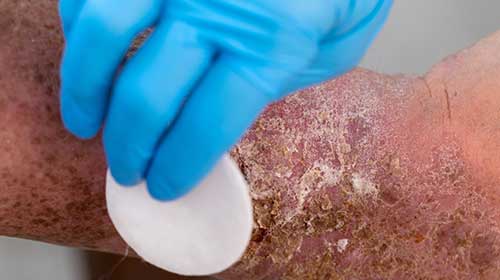
Innovation continues progressing quickly forming techniques employed everyday enabling quicker assessments via telehealth options or utilizing clever devices tracking recovery progress from another location supplying real-time data available by multidisciplinary teams teaming up closely with each other enhancing results overall!
6. Exists financial backing readily available covering prices connected pursuing advancing one's education around this specialized area?
Yes! Lots of medical facilities supply reimbursement programs spending back into labor force advancement promoting job improvement possibilities available while going after accreditations relevant especially around specialized capability linked directly affecting enhanced individual results seen over time continually throughout populations served!
Conclusion
As we venture into the future landscape surrounding effective approaches utilized worrying both acute/chronic problems relating specifically in the direction of taking care of complex situations emerging from injuries endured gradually-- the requirement ends up being even more clear: investing heavily together with specialized resources aimed at promoting higher degrees expertise amongst medical professionals included can not be overemphasized!
The Future of Wound Care Management: Patterns in Professional Training highlights exactly how crucial it is currently even more than ever prior to having actually effectively educated personnel ready deal with these challenges head-on making sure quality-driven methods continue to be center top priorities affecting successful results attained collectively with teamwork effort applied carefully across all industries involved!