Introduction
The healthcare landscape is constantly advancing, and with it, the demand for specialized roles is enhancing. Among these functions, becoming a wound treatment nurse stands out as both fulfilling and vital. Wound treatment registered nurses are in charge of the evaluation, therapy, and management of numerous kinds of injuries, consisting of chronic injuries that typically require customized knowledge and abilities. If you're considering this profession path or are simply interested in recognizing what it involves, you have actually involved the appropriate place. This short article will explore vital training programs readily available for striving wound care specialists, look into the abilities required for effective injury administration, and supply insights into the daily responsibilities of a wound treatment nurse.
What Does a Wound Treatment Registered Nurse Do?
Understanding the Role of a Wound Care Nurse
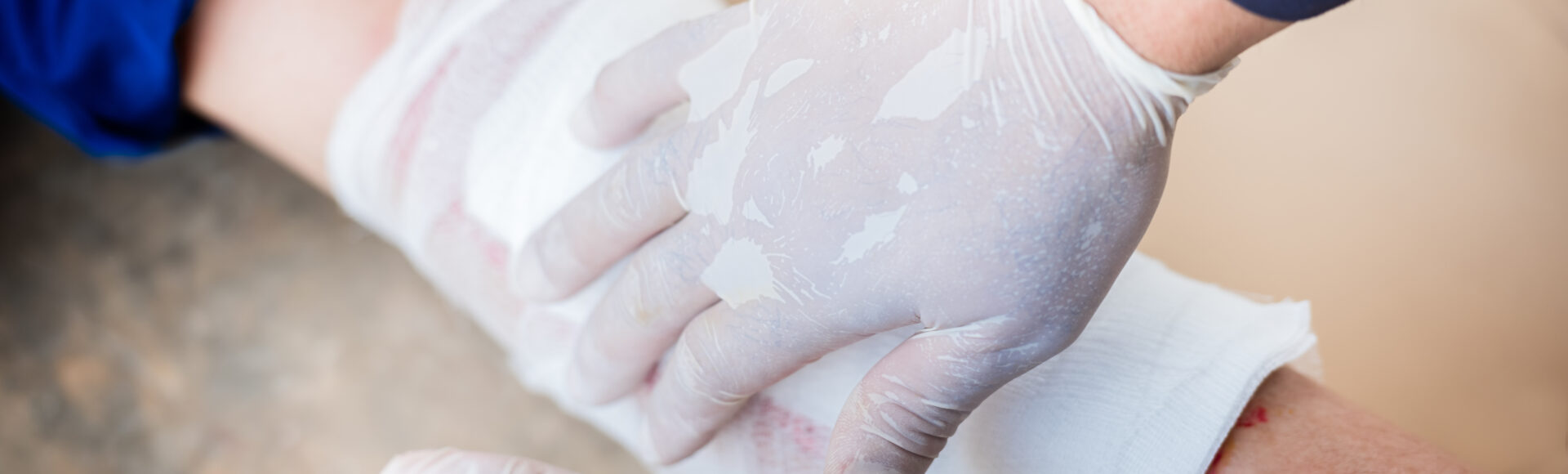
A wound treatment nurse concentrates on analyzing and treating individuals with injuries or ulcers. They play an important duty in ensuring correct healing by applying advanced methods and interventions tailored to individual client demands.
Key Duties Include:
Assessment: Assessing the kind and intensity of wounds. Treatment Planning: Creating customized treatment strategies based on assessments. Wound Monitoring: Using suitable dressings and treatments. Patient Education: Advising people on aftercare practices to promote healing.Why Is Injury Care So Important?
Wound care is essential not simply for aesthetics but even more notably for health and wellness results. Inadequately managed injuries can bring about serious issues, consisting of infections or long term recovery times.
Becoming a Wound Treatment Nurse: Crucial Training and Skills
Pathways to Becoming a Wound Care Specialist
To become an injury care registered nurse, a number of educational paths can be pursued:

- Registered Nurse (RN) Program: Begin by finishing a recognized nursing program (Partner's or Bachelor's degree). Specialized Certifications: After getting experience as a RN, you can go after added qualifications in wound care.
Wound Treatment Expert Training Programs Available
There are many training programs readily available that cater particularly to wound care education:
Basic Injury Care Training
- Overview of essential principles in injury management. Ideal for new registered nurses aiming to enter this specialization.
- Focuses on complex instances calling for innovative knowledge. Recommended for seasoned nurses intending to specialize further.
- Tailored for nurses dealing with long-term wounds. Emphasizes strategies for efficient persistent wound management.
Essential Abilities Required for Injury Care Nurses
Clinical Skills That Matter
Effective wound care management requires a mix of clinical competence and soft skills:
- Assessment Abilities: Capacity to properly evaluate wounds. Technical Proficiency: Expertise in various dressing applications.
Communication Skills are Key
Strong interaction abilities make it possible for registered nurses to enlighten individuals effectively regarding their conditions:
- Explaining treatment intends clearly. Addressing patient problems compassionately.
The Value of Proceeding Education in Injury Treatment Nursing
Why Recurring Training Matters
Medical methods evolve rapidly; for this reason continuous education and learning is paramount:
- Keeps nurses upgraded on the most recent therapy modalities. Equips them with arising modern technologies in wound management.
Recommended Continuing Education and learning Opportunities
Consider register in workshops or meetings concentrated on injury care developments:
Annual Wound Healing Culture Conference Online webinars from reputable clinical institutionsWound Treatment Training Courses: A Closer Look
Overview of Readily available Courses
Various organizations provide thorough training programs covering different facets of wound care:
|Training course Call|Duration|Focus Location|| -----------------------------------|---------------|--------------------------------------|| Basic Wound Treatment|4 weeks|Fundamental abilities|| Advanced Wound Monitoring|6 weeks|Complex cases|| Persistent Abscess Prevention|8 weeks|Long-term strategies|
Choosing the Right Course
When picking a training course, consider your existing qualifications and career objectives:
- Are you beginning fresh or looking for specialization? What particular location of wound administration interests you?
Nursing Wound Care Training Requirements
Academic Prerequisites
To sign up in most specialized training programs, you'll usually need:
A legitimate RN license A strong structure as a whole nursing conceptsCertification Refine Explained
After finishing your training program, follow these steps to obtain certification as an injury care professional:
Pass the pertinent certification test (e.g., CWCN) Maintain proceeding education and learning credit ratings as needed by accrediting bodiesUnderstanding NDIS Wound Care Services
What Is NDIS?
The National Handicap Insurance Plan (NDIS) supplies assistance for Australians with handicaps, consisting of those who require customized health care like wound management services.
Role of Registered nurses within NDIS Framework
Wound care registered nurses functioning under NDIS need to comprehend how to navigate its standards effectively while offering ideal patient-centered care.
Complex Injury Treatment Tests Encountered by Nurses
Dealing with Difficult Cases
Complex injuries may present unique challenges such as:
- Infection control Managing comorbidities like diabetes mellitus
Strategies for Reliable Management
Nurses need to employ evidence-based methods when tackling intricate instances:
Regular reassessment Collaborating with multidisciplinary teamsChronic Wounds: A Growing Problem in Healthcare
The Rise of Persistent Conditions
With a maturing populace, chronic wounds are coming to be increasingly typical-- providing substantial obstacles within healthcare systems worldwide.
Statistics Highlighting the Problem
According to current studies:
- Approximately 6 million Americans suffer from persistent injuries annually.
Implications for Nursing Practice
As much more patients existing with persistent problems, there's an immediate requirement for experienced specialists specializing in persistent injury management.
Evaluating Therapy Efficiency in Wound Management
How Do You Gauge Success?
Successful therapy end results are examined with numerous metrics such as:
follow this link Rate of healing Patient fulfillment degreesAdjusting Treatment Plans When Necessary
Regular analyses enable nurses to make prompt modifications based upon exactly how well individuals respond to treatments.
Patient Education and learning: Encouraging People Via Knowledge
Importance of Educating Clients Regarding Their Condition
Empowering patients through education improves their capacity to manage their very own health and wellness properly-- which eventually causes much better outcomes!
Techniques For Effective Patient Teaching
Consider using different techniques such as aesthetic aids or hands-on demonstrations throughout educational sessions.
FAQ Section
Q1: What qualifications do I need to come to be a wound care nurse?
A1: To become an injury care registered nurse, you commonly need at the very least a RN permit complied with by specialized training focusing on wound management.
Q2: How much time does it take to complete wound care training courses?

Q3: Are online training courses readily available for nursing injury treatment training?
A3: Yes! Many trusted institutions provide on the internet programs that allow versatility while finding out about sophisticated principles connected to wound management.
Q4: How commonly should I seek continuing education and learning once I come to be certified?
A4: The majority of certification bodies need renewal every few years which includes completing proceeding education credit scores-- commonly around 30 hours over three years is expected.
Q5: Can I work with NDIS clients as a newly qualified nurse?
A5: Yes! Nevertheless, experience with NDIS standards will certainly be beneficial when offering services tailored specifically towards people under this scheme.
Q6: What are some common types of complex injuries encountered?
A6: Typical intricate wounds include diabetic abscess, stress injuries (bed sores), and venous tension abscess to name a few-- each needing certain interventions!
Conclusion
In conclusion, ending up being a wounded-care nurse entails commitment, recurring education and learning, and strong professional skills focused on boosting person end results via efficient monitoring strategies customized uniquely per situation circumstance provided prior to them! As we have actually checked out throughout this short article-- from fundamental training requirements with advanced specialty needs-- it appears that pursuing this job path not only satisfies individual expert desires however also straight effects lives positively! Whether you're interested due persistance means checking out diverse facets bordering "Ending up being A Wounded-Care Nurse" today marks simply one advance in the direction of adding significantly within wellness fields across the globe!